Best Whole House Water Filter 2026: 5 Systems Compared
Some links below are affiliate links. If you buy through one we may earn a commission, at no extra cost to you. It does not change which system we recommend.
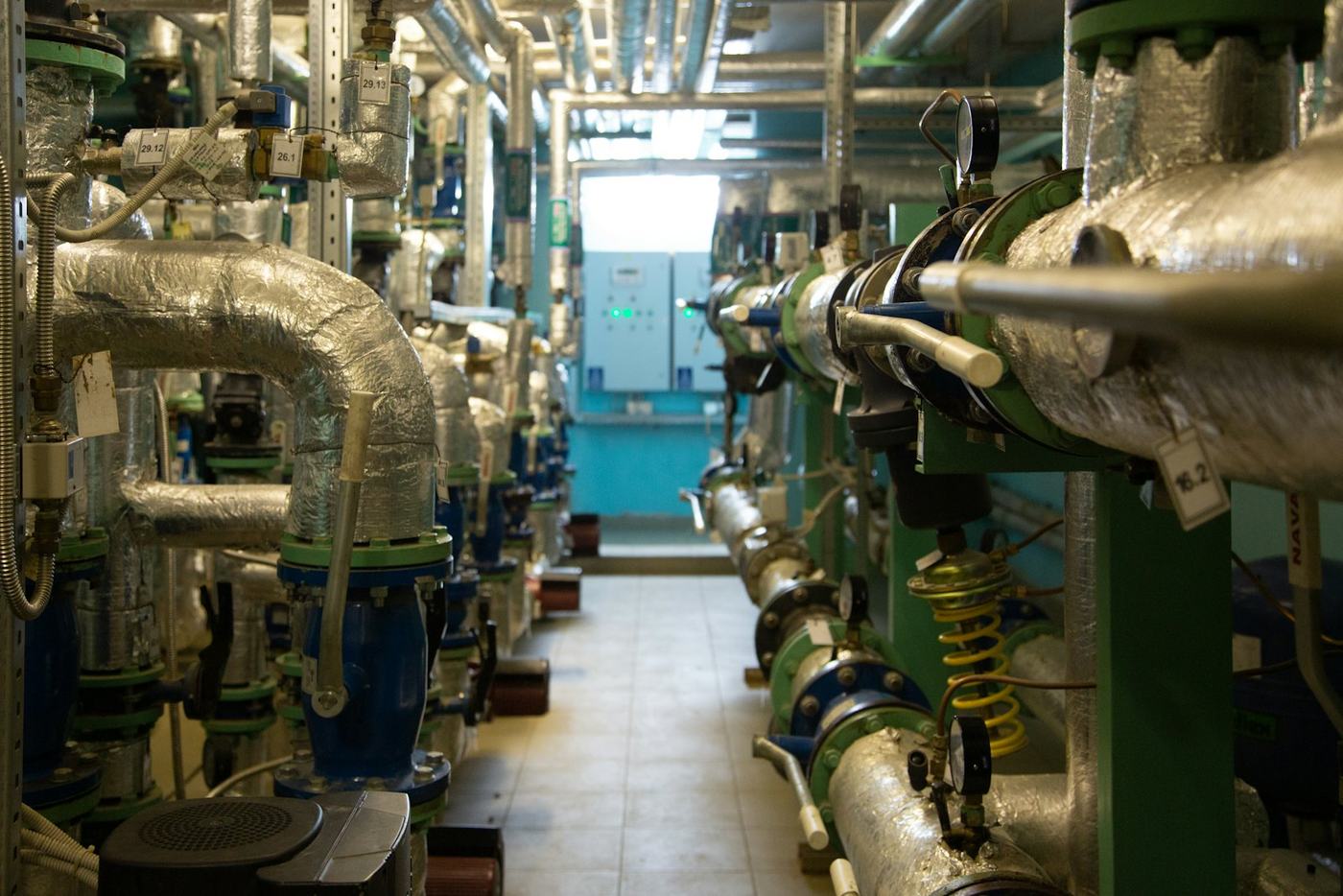
The SpringWell CF1 is the best whole house water filter for most homes. It removes 99.6% of chlorine and reduces PFAS to non-detectable levels in independent lab testing, operates for approximately 10 years before media replacement, and costs $1,040 upfront with around $40 per year to maintain. For NSF-certified coverage with a lab-verified track record, the Aquasana Rhino EQ-1000 is the runner-up at $1,499.
At a Glance: Best Whole House Water Filters in 2026
| System | Best For | Price | Capacity | Flow Rate | Annual Cost | Rating |
|---|---|---|---|---|---|---|
| SpringWell CF1 | Best overall | $1,040 | 1,000,000 gal | 9 GPM | ~$40 | 4.9/5 |
| Aquasana Rhino EQ-1000 | Best NSF-certified | $1,499 | 1,000,000 gal | 7 GPM | ~$50 | 4.7/5 |
| Pelican PC600 | Best for scale-prone homes | $900 | 600,000 gal | 10 GPM | ~$120 | 4.4/5 |
| Kind E-1000 | Best budget upfront | $467 | 100,000 gal | 10 GPM | ~$160 | 4.2/5 |
| iSpring WCB32C-KS | Best DIY starter system | $320 | 100,000 gal | 10 GPM | ~$150 | 4.0/5 |
1. SpringWell CF1 — Best Overall
The SpringWell CF1 whole house water filter removes 99.6% of chlorine and reduces PFAS to non-detectable levels in independent lab testing, with a 1,000,000-gallon tank capacity rated for approximately 10 years. That translates to around $40 per year in media costs — the lowest long-term maintenance expense of any system in this class.
The CF1 uses a combination of catalytic carbon and KDF media. Catalytic carbon is the critical differentiator here: standard activated carbon reduces chlorine, but catalytic carbon targets chloramine (used by most large US water utilities instead of chlorine), and independent testing shows it brings longer-chain PFAS compounds down to non-detectable levels. If your city uses chloramines — check your annual Consumer Confidence Report to confirm — this media type matters.
The system does not carry NSF/ANSI certification. SpringWell relies on independent lab testing rather than the NSF certification process, which some buyers view as a gap. The lab data is widely cited and trusted in the water treatment community. For buyers who specifically need certified documentation — healthcare households, immunocompromised family members — the Aquasana Rhino is the better call.
What we like:
– Catalytic carbon removes chloramine and PFAS, not just chlorine — a meaningful difference for most city water supplies
– 1,000,000-gallon capacity with no cartridge changes required; media replacement approximately every 10 years
– 9 GPM flow rate — adequate for 1-4 bathroom homes without pressure drop
– Lifetime warranty backed by a 6-month satisfaction guarantee
– Lowest 5-year cost of ownership in its category at approximately $1,240
What we don’t like:
– No NSF/ANSI certification — independent lab testing only
– Large footprint; requires 6-8 square feet in a utility room or garage
– Bypass valve must be installed correctly — improper installation is the most common DIY mistake
Who should buy this: City water homeowners who want the best long-term value, particularly those with chloramine in their supply. Anyone concerned about PFAS who wants whole-house treatment rather than point-of-use only.
Who should skip this: Buyers who need NSF/ANSI certification documentation for compliance or documentation purposes, or renters who cannot modify plumbing.
Key Specs:
| Spec | Detail |
|---|---|
| Filtration media | Catalytic carbon + KDF |
| Capacity | 1,000,000 gallons (~10 years) |
| Flow rate | 9 GPM |
| Contaminants removed | Chlorine (99.6%), chloramine, lead, herbicides, pesticides, VOCs, PFAS |
| Certifications | Independent lab tested; not NSF/ANSI certified |
| Warranty | Lifetime |
| Upfront price | ~$1,040 |
| Annual maintenance cost | ~$40 |
| Installation | DIY possible; plumber recommended for main line connections |
View the SpringWell CF1 | See our full SpringWell CF1 review for detailed testing data and long-term performance notes.
2. Aquasana Rhino EQ-1000 — Best NSF-Certified Option
The Aquasana Rhino EQ-1000 holds NSF/ANSI 42 and 53 certifications and removes 97% of chlorine, plus lead, mercury, herbicides, pesticides, and VOCs across its 1,000,000-gallon media life. That certification means an independent testing body has verified the performance claims — not just the manufacturer.
At $1,499, the Rhino costs $459 more than the CF1 upfront. The flow rate of 7 GPM is adequate for most 3-bedroom homes but will show pressure drop in larger households running multiple fixtures at once. The five-year cost of ownership sits around $1,599, partly because pre-filter cartridges (at ~$25 each) need replacing every 6 months.
The EQ-1000 does not remove chloramine as effectively as the CF1’s catalytic carbon — its granular activated carbon handles free chlorine well but not combined chlorine. If you’re on a chloramine supply, this is a significant limitation worth knowing before you buy.
What we like:
– NSF/ANSI 42 and 53 certified — the strongest independent verification available
– 97% chlorine removal documented under lab conditions
– 1,000,000-gallon media life; 10 years before replacement
– Available as a combo system with SimplySoft salt-free scale control
What we don’t like:
– 7 GPM flow rate — noticeably lower than the CF1’s 9 GPM for larger homes
– Pre-filter cartridge ($25 each) requires replacement every 6 months — adds $50/year and ongoing maintenance attention
– Bypass valve not included standard — a $90 upcharge
– Granular carbon does not remove chloramine as effectively as catalytic carbon
Who should buy this: Homeowners who require NSF/ANSI documentation, or buyers who want the confidence of certified performance claims and are on a free-chlorine supply.
Who should skip this: Homes on chloramine supplies, or households with 4+ bathrooms where the 7 GPM rating will create pressure issues.
Key Specs:
| Spec | Detail |
|---|---|
| Filtration media | Activated carbon + copper-zinc KDF |
| Capacity | 1,000,000 gallons (~10 years) |
| Flow rate | 7 GPM |
| Contaminants removed | Chlorine (97%), lead, mercury, herbicides, pesticides, VOCs |
| Certifications | NSF/ANSI 42, 53, 61 |
| Warranty | 10 years |
| Upfront price | ~$1,499 |
| Annual maintenance cost | ~$50-80 (pre-filters) |
| Installation | DIY possible; plumber recommended |
View the Aquasana Rhino EQ-1000 on Aquasana | For a direct comparison, see our SpringWell vs Aquasana head-to-head.
3. Pelican PC600 — Best for Homes with Scaling Issues
The Pelican PC600 uses a carbon block cartridge rated at 600,000 gallons over approximately 6 years, with a 10 GPM flow rate that handles larger homes without pressure compromise. At $900, it sits between the budget and premium tiers. NSF certified.
The main reason to choose Pelican over SpringWell or Aquasana is the upgrade path: the PC600 pairs with Pelican’s NaturSoft salt-free conditioner to create the PSE2000 combo system at $1,800. That gives you filtration plus physical scale prevention in one integrated install — useful in hard water regions where scale buildup damages appliances and water heaters.
The PC600 uses granular activated carbon, which removes chlorine well but does not address chloramine. If your utility uses chloramines, the CF1 is the correct choice. The 600,000-gallon capacity also means an earlier media replacement than the million-gallon systems above.
What we like:
– 10 GPM — strong flow for larger homes
– Upgradeable to the PSE2000 for combined filtration + scale control
– NSF certified
– 5-year warranty
What we don’t like:
– Granular carbon only — no chloramine removal
– 600,000-gallon capacity shorter than the CF1 or Rhino at comparable pricing
– Media replacement every ~6 years adds to long-term costs
4. Kind E-1000 — Best Budget Whole House Filter
The Kind E-1000 costs $467 upfront and delivers four stages of filtration — sediment, carbon block, scale inhibitor, and KDF — at a 10 GPM flow rate. NSF 42 certified. It is the best option for buyers who cannot stretch to $1,000+ and want something functional now.
The tradeoff is ongoing cost. Replacement cartridge sets run approximately $80 each and need swapping every 3-6 months, putting annual costs at $160-320. Over five years, total cost of ownership ranges from $1,267 to $2,067 — rapidly approaching the CF1’s total. The E-1000 makes financial sense if you need a low upfront spend, expect to move within 2-3 years, or want to start filtering while saving for a tank system.
What we like:
– Lowest upfront cost of any quality whole house system in this roundup
– 10 GPM — no pressure compromise
– NSF 42 certified
– Easy DIY cartridge replacement; no tools required for filter swaps
What we don’t like:
– Cartridge replacement every 3-6 months — ongoing time and cost commitment
– 100,000-gallon cartridge lifespan versus 1,000,000 for tank systems
– 5-year ownership cost closes in on tank systems quickly
View the Kind E-1000 on Kind Water Systems
5. iSpring WCB32C-KS — Best DIY Starter System
At $320, the iSpring WCB32C-KS is the most affordable entry point into whole house filtration. Three stages cover sediment, chlorine and taste/odor, and a KDF stage for heavy metals. Designed for straightforward DIY installation without main line expertise.
This is a starter system. It does not remove chloramine, and the cartridge change schedule every 3-6 months requires ongoing attention. It is most useful as a short-term solution while budgeting for a permanent upgrade, or as a sediment pre-filter upstream of a more capable system.
View the iSpring WCB32C-KS on Amazon
How We Chose
Each system was evaluated on: contaminant removal range (chlorine, chloramine, lead, and PFAS specifically), flow rate against household demand, filtration media quality and lifespan, five-year total cost of ownership, and warranty depth. Systems backed by NSF certification or independent lab data received higher scores than those relying on manufacturer-only claims.
What to Look For: Whole House Water Filter Buying Guide
Test your water first. Your utility’s annual Consumer Confidence Report (mailed to all customers, searchable at EPA.gov) lists every detected contaminant. For well water, commission a lab test for bacteria, nitrates, hardness, iron, and pH before purchasing. How to test water quality at home covers the full process.
Match media to your supply. Standard activated carbon handles chlorine. Catalytic carbon is required for chloramine. PFAS reduction favors catalytic carbon over activated carbon. Iron above 0.3 ppm requires a dedicated iron filtration stage — a standard carbon filter will not handle it.
Size the flow rate to your home. The rule of thumb: 10 GPM for 1-2 bathroom homes, 15-20 GPM for 3+ bathrooms. A filter undersized on flow rate creates pressure drops across the whole house during peak morning use. Every system in this roundup except the Aquasana Rhino meets or exceeds 9 GPM.
Tank vs. cartridge. Tank systems (SpringWell, Aquasana) contain a large media bed lasting 6-10 years with no cartridge changes. Cartridge systems (Kind, iSpring, Pelican) cost less upfront but require filter swaps every 3-6 months. For most homeowners staying 3+ years, a tank system is cheaper over the ownership period. See our whole house water filter cost breakdown for the full math.
NSF certification. NSF/ANSI 42 certifies taste, odor, and chlorine reduction. NSF/ANSI 53 certifies health-effect contaminant reduction (lead, VOCs, pesticides). A system certified under both is the gold standard for documented performance. Not all effective systems carry it — SpringWell’s independent lab testing is widely respected — but certification provides independently audited documentation.
What’s the Best Whole House Water Filter for Specific Situations?
If your main concern is city water chloramine and PFAS, the SpringWell CF1 is the clear answer. For well water with iron, sulfur, or bacteria, see our best whole house water filter for well water guide which covers systems with iron and UV stages. For hard water scale issues paired with filtration, the Pelican PSE2000 or a CF1 plus a dedicated softener are the two paths — see our best whole house water filter for hard water article for the full comparison.
Frequently Asked Questions
What’s the best whole house water filter for a family of four?
The SpringWell CF1 handles a typical family of four comfortably. Its 9 GPM flow rate covers simultaneous shower, dishwasher, and washing machine use without pressure drop, and the 1,000,000-gallon capacity at $1,040 upfront works out to well under $200 per year over its 6-10 year life. The Aquasana Rhino EQ-1000 is the alternative if you want NSF certification.
Does a whole house water filter remove PFAS?
Systems using catalytic carbon — including the SpringWell CF1 — reduce PFAS to non-detectable levels in independent lab testing. Standard activated carbon also reduces PFAS but less effectively for longer-chain compounds like PFOA and PFOS. For the highest PFAS removal rates at the point of use, a reverse osmosis system under the kitchen sink provides a secondary treatment layer. See our best whole house water filter for PFAS removal guide for dedicated coverage.
How long does a whole house water filter last?
Tank-based systems like the SpringWell CF1 and Aquasana Rhino last approximately 10 years before media replacement — around 1,000,000 gallons of filtered water. Cartridge-based systems require new filters every 3-6 months. The replacement cost and time commitment are the defining ongoing differences between the two system types.
Does a whole house filter reduce water pressure?
A correctly sized system does not. The CF1’s 9 GPM and Pelican’s 10 GPM ratings handle peak household demand in most homes. A system undersized for your home — or one with a clogged sediment pre-filter — will create pressure drops. Replace sediment pre-filters on schedule (typically every 6-9 months) to maintain flow.
What is the difference between a whole house filter and a water softener?
A whole house filter removes chemical contaminants — chlorine, lead, PFAS, VOCs. A water softener removes hardness minerals (calcium and magnesium) specifically, through ion exchange. They solve different problems and are often installed together in series, with the filter first in line. Homes with both hard water and chemical contamination typically need both systems.
Final Verdict
The SpringWell CF1 is the right choice for most US homeowners on city water. It outperforms certified systems on chloramine and PFAS removal, carries the lowest 5-year cost of ownership in its category, and comes with a lifetime warranty. If NSF/ANSI certification is a requirement, the Aquasana Rhino EQ-1000 is the most defensible certified alternative. For hard water plus filtration in one system, the Pelican PSE2000 combo is worth the higher upfront cost. Budget buyers who need to act now without a large upfront spend should start with the Kind E-1000 and plan a tank system upgrade within 2-3 years.